ChatGPT Image Jan 26, 2026, 01_42_02 PM

Window Condensation: Causes, Fixes, and Long-Term Solutions

Window Condensation: Causes, Fixes, and Long-Term Solutions

Understanding Moisture and Window Performance

Why Do Windows Get Condensation in the Winter in Minnesota?

“I need new windows because mine are frosty!” or “There’s condensation on my windows!”—we hear it all the time from friends and family. And before you start thinking about spending thousands of dollars on replacements, let’s explore why condensation and frost appear, even on the most energy-efficient windows, and what you can do about it.

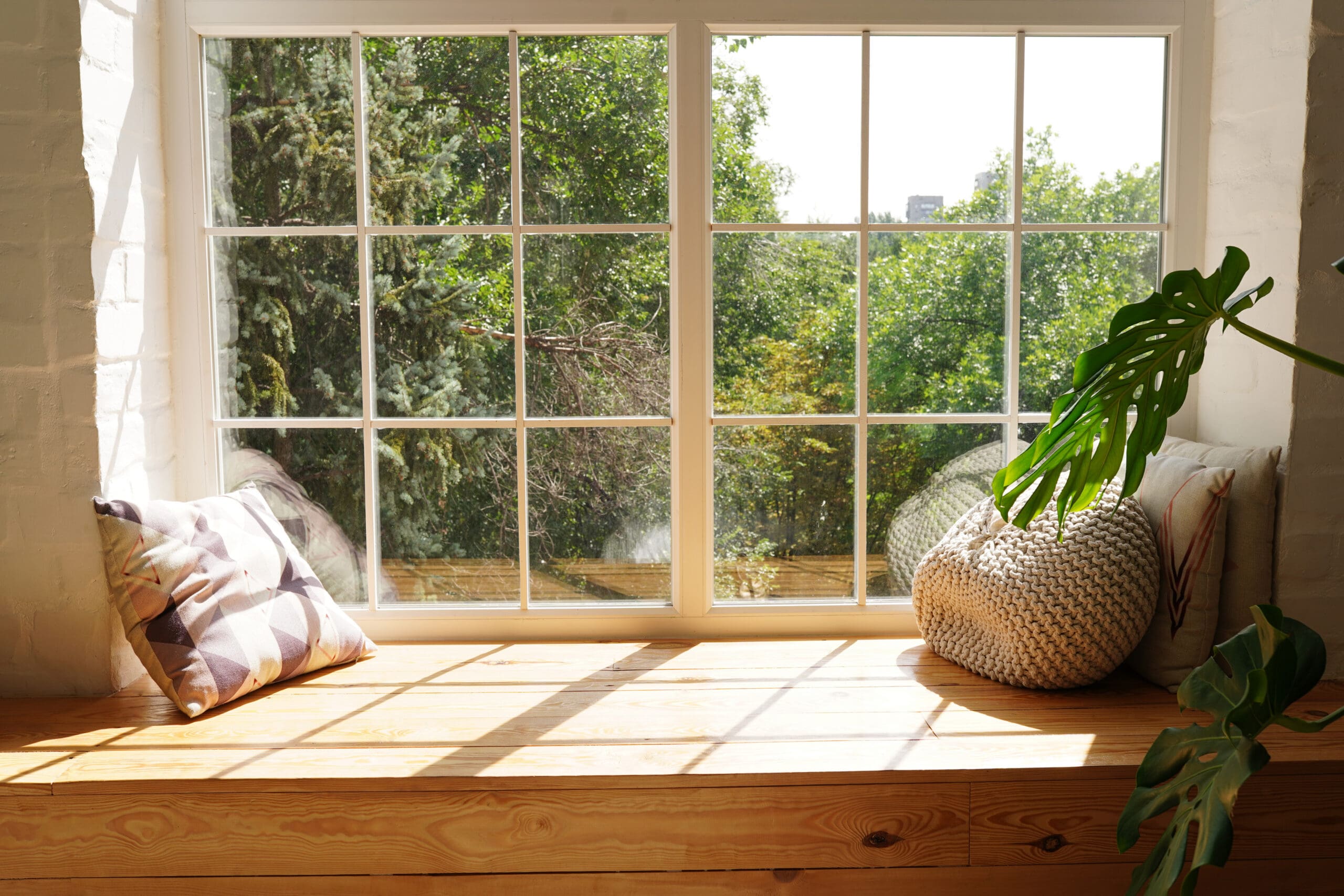
Think of your windows like a cold glass of water on a hot day. The cold glass attracts the warm, humid air, causing condensation. And basically, the same thing happens with your windows in the winter. The inside of your home is filled with warm, humid air, which interacts with your cold windows just like it will with a cold drink. The colder it gets outside, the more likely condensation and frost will form on your windows.

Condensation is an indication of excess humidity. Ask yourself these questions:

  • Have I checked the humidity in my home?

    Common sources of indoor humidity are things like cooking, your furnace, drying clothes inside, or a damp basement. For example, boiling water for soups, pasta, etc., can add significant moisture to the air. If you have a vent above your stove, make sure to turn it on to help reduce moisture. If your basement tends to stay damp, consider investing in a dehumidifier that can run a hose to a floor drain.

  • Do I have a humidifier on my furnace?

  • Many furnaces come with a built-in humidifier, and while it can help maintain comfortable indoor air during the dry winter months, it’s important to balance this with the outside temperature and the natural humidity levels in your home. Too much humidity can lead to condensation and frost, even on insulated windows.
  • Are my blinds and drapes closed?
  • Blinds and drapes can block airflow over window surfaces, which may encourage condensation and frost buildup. We learned this the hard way when we first moved into our home. We kept the blinds closed in the bedrooms, and soon enough, ice built up on the windows and damaged the paint on the sills. After adjusting our humidity and leaving the blinds open, we rarely see frost now.

Options for Older Homes:

If you live in an older home with single-pane windows but you do not want to sacrifice their charm, you have a few options:

  1. Install storm windows on the outside of your home.
  1. Put plastic over your windows to create an extra barrier.
  1. Replace the windows with more energy-efficient, insulated ones that are designed to be installed in listed or historic buildings.

Maintaining the Right Humidity Levels:

To help you manage indoor humidity and prevent condensation, here’s a handy table that shows the recommended relative humidity levels based on the outdoor temperature:

When the Outdoor Temperature Is:

This Relative Humidity Should Be Maintained:

+40°F

45%

+30°F

40%

+20°F

35%

+10°F

30%

0°F

25%

-10°F

20%

-20°F

15%


The table provides a clear guideline for maintaining optimal indoor humidity levels based on the outdoor temperature. By adjusting your home’s humidity to match these recommendations, you can prevent condensation and frost from forming on your windows. For example, if the outdoor temperature is +20°F, you should aim to keep your indoor humidity at 35%. This balance helps ensure comfort while protecting your windows and home from moisture-related issues.

Ready to explore your options? 

If you live in the southern part of Minnesota and are considering new windows, feel free to contact us for an in-home consultation. Windows are one of the most significant sources of heat loss in a home, so upgrading them can not only reduce condensation and frost but also save you money on your heating bills. 

Untitled-4 (1)

Winter-Proof Your Home

Winter-Proof Your Home

6 crucial maintenance tips for cold weather & saving money.

Winter-Proof Your Home: 6 Crucial Maintenance Tips for Cold Weather and Saving Money

As winter has fully descended upon us with sub-freezing temps this week, it becomes essential to ensure your home is properly winterized. Not only does this help maintain your home’s integrity during harsh weather, but it also saves you money in the long run. 

At Ardmor Construction, we are committed to helping you keep your home in optimal condition. Here’s our list of the most important home tasks you should perform this winter:

1. Inspect the Roof and Gutters

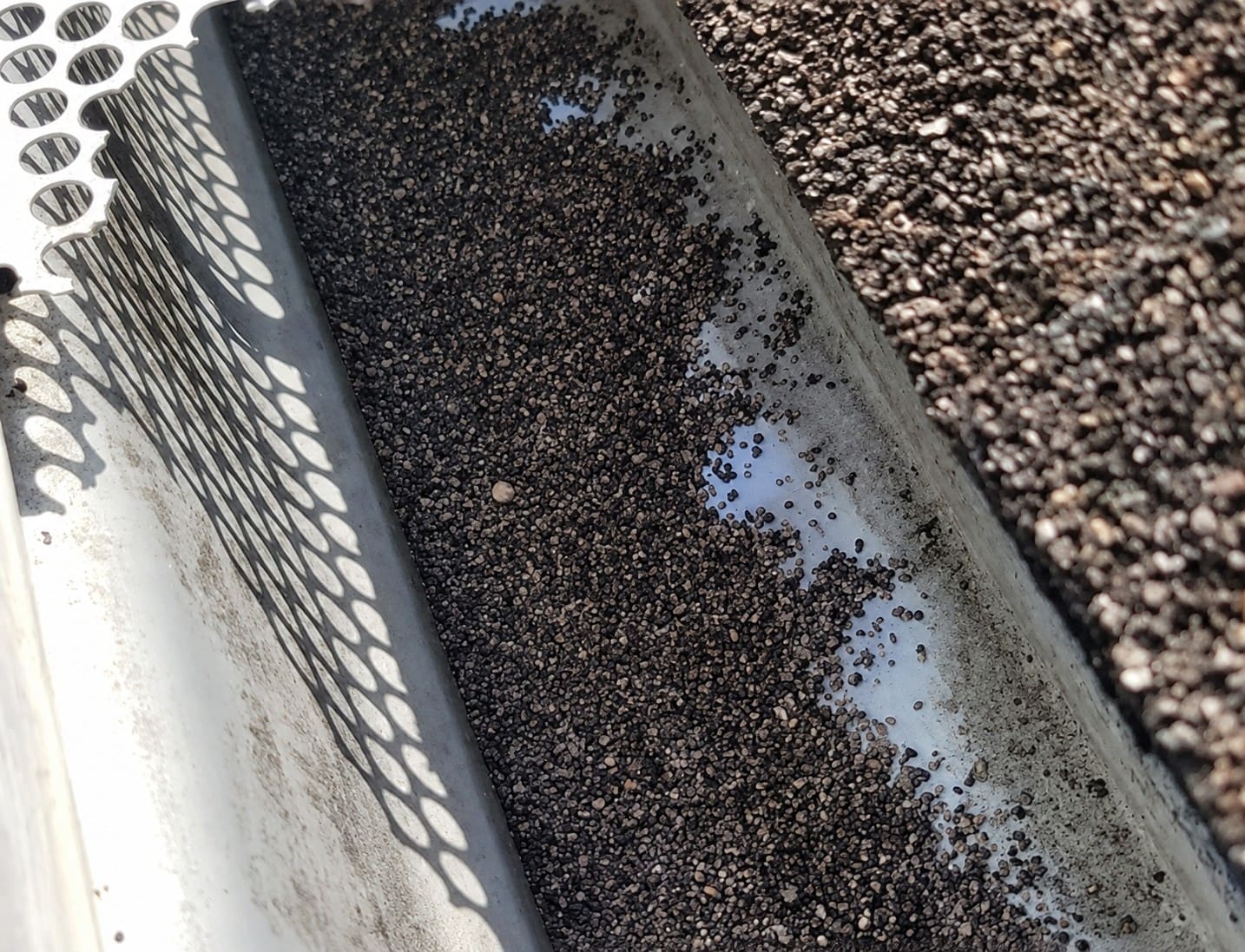
Your roof is your first line of defense against winter weather. Check for obvious signs like missing shingles or leaks, but more importantly have your roof inspected professionally to uncover the beginning of wear before permanent damage occurs. Clear your gutters of leaves and debris to prevent ice dams, which can lead to water entering your home.

2. Seal Windows and Doors

Start by identifying any drafts with a lit candle; if the flame flickers, you have a draft. Then clean the areas around the frames. Use adhesive-backed weather stripping for the sides and top of doors and window sashes, and apply high-quality caulk in gaps around stationary windows and door frames for a snug seal. For larger gaps, expanding foam sealant can effectively fill voids between window frames and walls. Additionally, we recommend installing door sweeps to block drafts from beneath exterior doors, and ensure any storm windows are properly sealed. 

Consider replacing windows if your home’s windows are older than 15-20 years. Newer windows are much more energy efficient. Or if you’re seeing frost or condensation between panes, this is a sure sign of bad seals and can lead to mold and mildew growth.. 

3. Inspect Your Heating System

You can check the system yourself by looking for leaks, rust or corrosion. Listen for weird noises and check your thermostat that it responds properly to adjustments. Also check for cold spots in the home. But, this one area that it makes a lot of sense to have your heating system professionally inspected annually. Change the filters frequently and ensure vents are clear for optimal airflow. This can help reduce energy bills and increase the lifespan of your heating unit. 

4. Winterize Your Outdoor Faucets

To winterize outdoor faucets, first, turn off the water supply at the shut-off valve inside your home. Then, open the faucet to drain any remaining water and disconnect any hoses, storing them indoors. Finally, consider wrapping the faucet with foam insulation or using a faucet cover for added protection against freezing.

5. Test Smoke and Carbon Monoxide Detectors

Why is it that the beeping sound from your smoke alarm, indicating a low battery, always starts at around 2 in the morning? Never during the day! To avoid this, consider replacing your batteries once per year on a schedule. Plus, this gives you an opportunity to manually test each smoke alarm and carbon monoxide detector in your home annually. This simple step can save lives.

6. Maintain Outdoor Areas

Clear driveways and walkways of snow and ice promptly. Consider applying salt or an eco-friendly alternative to improve safety. Store outdoor furniture and decor to prevent damage from snow accumulation.

This also includes clearing and salting your deck. (If you don’t have a deck, winter is the perfect time to contact us to design and build you one for all the awesome spring activities coming soon!)

Bonus things to check for you overachievers:

7. Check Your Hot Water Heater and Flush the Tank

8. Check Insulation in Your Attic and Crawl Spaces: Add more as needed.

9. Prepare Your Fireplace and Chimney: Clean, inspect and get a chimney cap.

10. Get a Home Energy Audit! Something just felt right about rounding the list up to 10; maybe my OCD kicked in? Overall though, a great list!  For more tips and information, don’t hesitate to reach out or browse through our website (which you’re already visiting, so why not explore a bit?). Together, we can ensure your home is well-prepared for whatever winter throws your way!

A,Woman,Looks,Out,Of,The,Window,At,The,Snow-covered

The Benefits of Energy-Efficient Windows

The Benefits of Energy-Efficient Windows

Energy-efficient windows are more than a modern convenience—they’re a smart investment for homeowners. Upgrading your windows can save you money, reduce noise, and improve the overall comfort of your living space. Let’s explore the benefits of making the switch.

1. Lower Energy Bills
Energy-efficient windows are designed to minimize heat transfer. By keeping warm air in during the winter and cool air in during the summer, they reduce the workload on your HVAC system. This translates to lower utility bills and a more eco-friendly home.

2. Reduced Noise Pollution
Modern windows with double or triple panes and insulating gas layers significantly reduce outdoor noise. Whether you live near a busy street or have noisy neighbors, energy-efficient windows create a quieter, more peaceful home environment.

3. Enhanced Comfort
Drafty windows can make your home uncomfortable, especially during extreme weather. Energy-efficient windows eliminate drafts, maintaining a consistent temperature throughout your home and enhancing overall comfort.

4. Increased Home Value
Energy-efficient upgrades are attractive to potential buyers. Homes with modern windows often sell faster and at higher prices, as buyers appreciate the long-term savings and improved aesthetics.

5. Better UV Protection
Energy-efficient windows with low-emissivity (Low-E) coatings block harmful UV rays that can fade furniture, carpets, and artwork. This helps protect your interior while letting in natural light.

Conclusion:
Investing in energy-efficient windows is a smart choice for any homeowner. They improve your quality of life while offering long-term savings and environmental benefits. Contact Ardmor Construction today to explore your options and start enjoying the advantages of modern windows.