
How Long Does a Roof Last in Minnesota?
Not every roof ages the same. Learn what impacts its lifespan and what to watch for.
No Roof
Lasts Forever
While many roofs can protect a home for decades, no roof lasts forever. Minnesota’s harsh winters, summer heat, hailstorms, and strong winds all take a toll over time. Understanding what affects your roof’s lifespan and recognizing the signs of normal aging can help you plan ahead, avoid costly repairs, and make informed decisions about maintenance or replacement.
What Affects a Roof's Lifespan?
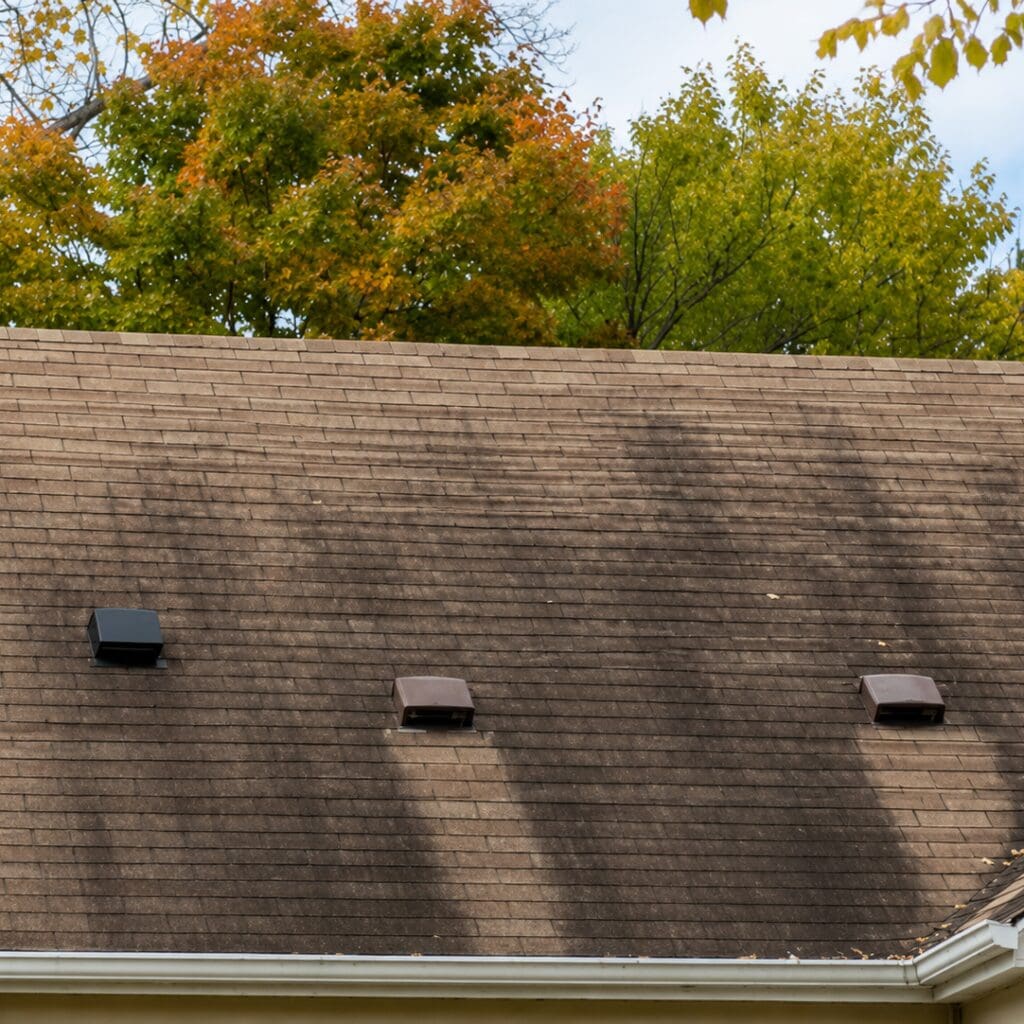
No two roofs age exactly the same. While roofing materials play a big role in how long a roof lasts, factors like installation quality, ventilation, maintenance, Minnesota’s weather, and the surrounding environment can all influence its lifespan. Roofs that are shaded by trees or regularly exposed to algae and lichen growth often retain more moisture, which can speed up wear over time. A well-installed roof that receives regular care may last years longer than one that’s exposed to repeated storm damage, poor ventilation, or constant moisture.
How Long Do Different Roofing Materials Last?
The roofing material on your home has one of the biggest impacts on how long your roof is expected to last. In general, architectural asphalt shingles typically provide 15 to 30 years or more of service when properly installed and maintained. Metal roofs often last 40 to 70 years, while slate and clay tile roofs can last 50 years or longer. Keep in mind that these are average ranges, not guarantees. Factors like weather, maintenance, and installation quality can all shorten or extend the life of a roof.
| Roofing Material | Typical Lifespan | Common in Minnesota? |
|---|---|---|
| Architectural Asphalt Shingles | 15–30+ years | Yes – Most common |
| Metal Roofing | 40–70 years | Increasingly common |
| Cedar Shake | 25–40 years | Less common |
| Slate or Clay Tile | 50–100+ years | Rare |
*These are general lifespan estimates.
How Minnesota Weather Impacts Your Roof
Minnesota’s climate is especially demanding on roofing systems. Hail can bruise shingles and reduce their protective granules, while strong winds may lift or loosen shingles and flashing. During winter, repeated freeze-thaw cycles allow moisture to expand and contract within small gaps, gradually wearing down roofing materials. Heavy snow and ice dams can also place added stress on a roof, while summer heat and UV exposure slowly break down asphalt over time. Even if damage isn’t immediately visible, years of weather exposure naturally contribute to the aging process.
Signs Your Roof May Be Nearing the End of Its Life
Most roofs don’t fail all at once. Instead, they gradually show signs of wear as they age. Missing or curling shingles, excessive granules collecting in gutters, damaged flashing, recurring leaks, or areas of soft decking can all indicate that a roof is nearing the end of its useful life. Some of these signs are easy to spot from the ground, while others require a closer inspection. Identifying issues early often allows homeowners to make informed decisions before a small problem becomes a larger repair.
Common Wear & Tear on Aging Asphalt Shingles
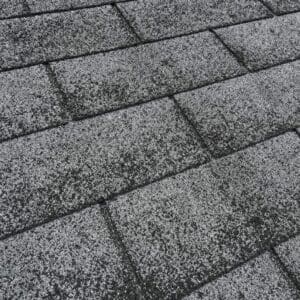
Granule Loss
Granules protect asphalt shingles from UV exposure and weather. As roofs age, it’s normal for some granules to wash off over time, but widespread or uneven granule loss can leave shingles more vulnerable to deterioration and may be a sign that the roof is nearing the end of its service life.
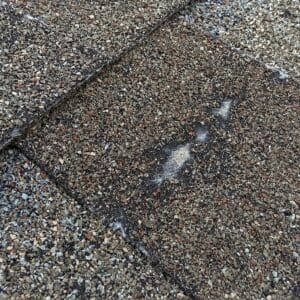
Exposed Mat
When enough granules wear away, the black asphalt coating and the fiberglass mat beneath it can become visible. Seeing the fibers of the mat indicates more advanced deterioration than granule loss alone, as the shingle has lost much of its protective layer and is more vulnerable to UV exposure, moisture, and continued weathering.

Ripped or Cracked Shingles
Asphalt shingles naturally become less flexible as they age. Over time, temperature changes, wind, and normal weathering can cause shingles to crack, split, or tear, reducing their ability to shed water and protect your home.
Can You Extend the Life of Your Roof?
While every roof will eventually need to be replaced, regular maintenance can help maximize its lifespan. Keeping gutters free of debris allows water to drain properly, trimming overhanging branches helps prevent abrasion and impact damage, and addressing small repairs promptly can prevent moisture from reaching the roof deck. Proper attic ventilation is also important because it helps reduce moisture buildup during winter and excessive attic heat during summer, both of which can affect the long-term performance of a roofing system.
When Should You Schedule a Roof Inspection?
If your roof is approaching 15 to 20 years of age, has experienced a significant hail or windstorm, or you’re beginning to notice signs of wear, it’s a good time to schedule a professional inspection. A thorough inspection can identify damaged shingles, flashing concerns, ventilation issues, and other conditions that may not be visible from the ground. Even if your roof doesn’t need to be replaced, routine inspections can help catch small problems before they become more costly repairs
Wondering How Much Life Your Roof Has Left?
It’s not always easy to tell whether the signs you’re seeing are part of normal aging or indicate it’s time to take action. During an inspection, we’ll evaluate the overall condition of your roof, identify any areas of concern, and give you a clear understanding of what to expect moving forward. No pressure, just the information you need to make the right decision for your home.