How to Tell if Your Siding Needs Repair or Replacement
Not all siding damage means you need a full replacement. Here's what to look for and how to know when it's time to take action.
More Than
Just Curb Appeal
Your siding does more than give your home a finished look. It helps protect your home from the elements and plays an important role in keeping it comfortable and well protected. Knowing the early signs of damage can help you address small issues before they become larger, more expensive repairs.
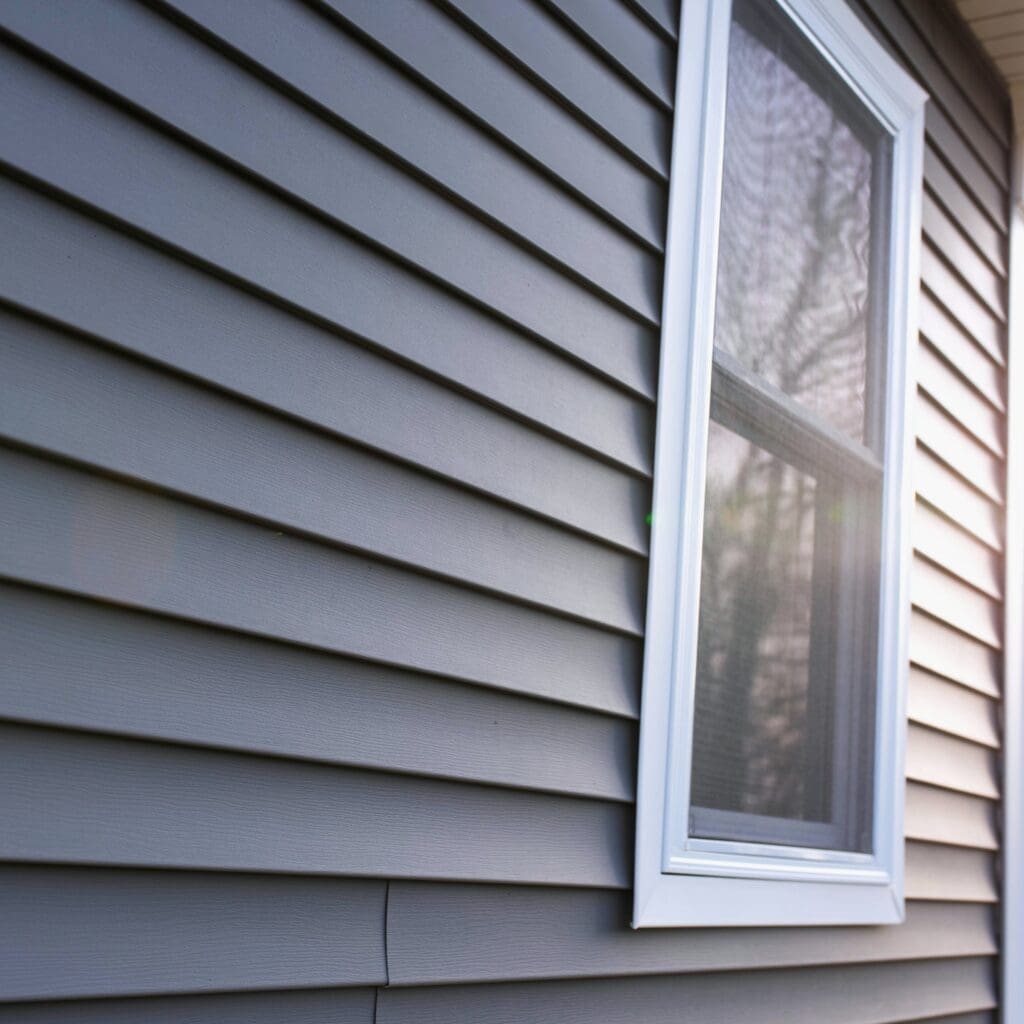
What Causes Siding to Wear Out?
Minnesota’s weather can be tough on your home’s exterior. Over time, rain, snow, changing temperatures, and severe storms gradually wear down siding, while years of sun exposure can cause materials to fade and become more brittle. Improper installation, trapped moisture, and even pests can also contribute to damage. Understanding what causes siding to deteriorate can help you recognize problems early and protect your home from more extensive repairs.
Normal Aging or Cause for Concern?
Not every scratch, faded panel, or minor scuff means your siding needs to be replaced. Like any part of your home, siding naturally shows signs of age over time. The key is knowing the difference between normal wear and damage that could leave your home vulnerable to moisture or other problems. The signs below can help you determine when it’s worth having your siding inspected by a professional.

Cracks & Breaks
Cracks, chips, and broken sections of siding are often caused by hail, wind-blown debris, lawn equipment, or years of weather exposure. While small at first, these openings can allow moisture and insects to reach the materials behind your siding.

Warping & Buckling
Siding should sit flat against your home. Panels that appear bowed, wavy, or buckled may indicate trapped moisture, improper installation, or repeated expansion and contraction from changing temperatures. Because warped siding can create gaps that allow water to enter, it’s a good idea to have these areas inspected before the problem worsens.
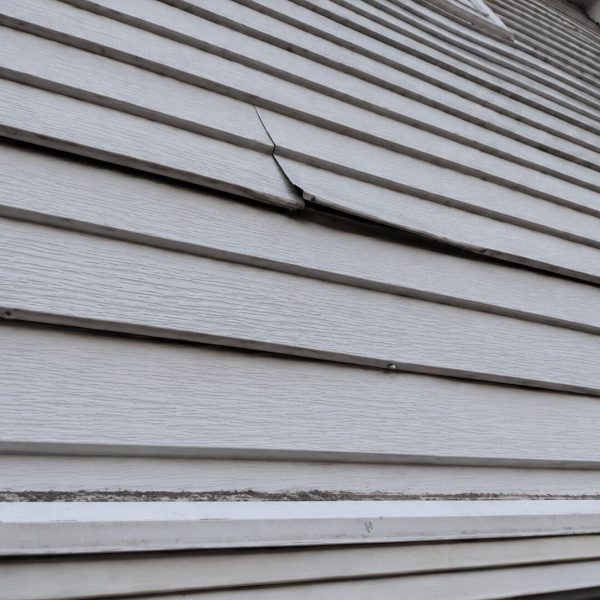
Loose or Missing Panels
Loose or missing siding often occurs after strong winds or when aging fasteners begin to fail. Even a single panel that’s come loose can expose the weather-resistant barrier beneath and make it easier for wind-driven rain to reach the wall assembly. Addressing these issues promptly helps restore your home’s protection and can often prevent additional damage nearby.
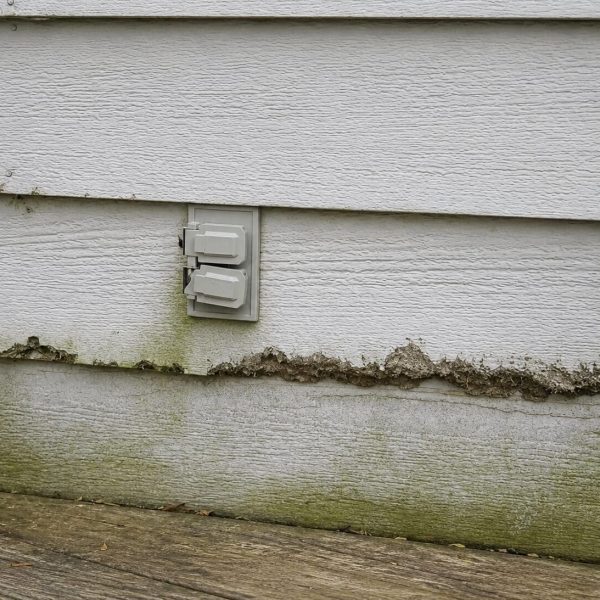
Rot & Deterioration
Soft spots, crumbling material, peeling paint, or visible decay are all signs that siding has been exposed to moisture for an extended period. This is most common with wood and engineered wood products, but any siding system can experience deterioration if water repeatedly reaches the structure behind it. Rot typically won’t improve on its own, making early evaluation the best way to limit the extent of repairs.
Can Damaged Siding Be Repaired?
In many cases, yes. Small areas of damage, such as a cracked panel, a few loose pieces, or localized storm damage, can often be repaired without replacing all of your siding. If the damage is isolated and matching materials are still available, repairs are often the most practical and cost-effective solution.
However, replacement may be the better option if the damage is widespread, moisture has reached the materials beneath the siding, or the existing siding has become brittle or difficult to match because of age or discontinued products. A professional inspection can help determine the extent of the damage and whether a repair will provide a lasting solution or if replacement will offer better long-term protection.
Wondering If Your Siding Needs Attention?
If you’ve noticed signs of damage, or simply aren’t sure whether what you’re seeing is normal wear, a professional siding inspection can provide clarity. During the inspection, we’ll evaluate the condition of your siding, look for signs of moisture intrusion or storm damage, and identify any areas that may need attention. We’ll also explain what we find, answer your questions, and discuss whether a repair or replacement is the best long-term solution for your home.