1937913955

How Long Does a Roof Last in Minnesota?

How Long Does a Roof Last in Minnesota?

Not every roof ages the same. Learn what impacts its lifespan and what to watch for.

No Roof
Lasts Forever

While many roofs can protect a home for decades, no roof lasts forever. Minnesota’s harsh winters, summer heat, hailstorms, and strong winds all take a toll over time. Understanding what affects your roof’s lifespan and recognizing the signs of normal aging can help you plan ahead, avoid costly repairs, and make informed decisions about maintenance or replacement.

What Affects a Roof's Lifespan?

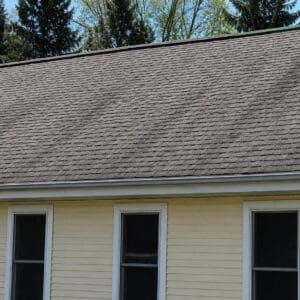
No two roofs age exactly the same. While roofing materials play a big role in how long a roof lasts, factors like installation quality, ventilation, maintenance, Minnesota’s weather, and the surrounding environment can all influence its lifespan. Roofs that are shaded by trees or regularly exposed to algae and lichen growth often retain more moisture, which can speed up wear over time. A well-installed roof that receives regular care may last years longer than one that’s exposed to repeated storm damage, poor ventilation, or constant moisture.

How Long Do Different Roofing Materials Last?

The roofing material on your home has one of the biggest impacts on how long your roof is expected to last. In general, architectural asphalt shingles typically provide 15 to 30 years or more of service when properly installed and maintained. Metal roofs often last 40 to 70 years, while slate and clay tile roofs can last 50 years or longer. Keep in mind that these are average ranges, not guarantees. Factors like weather, maintenance, and installation quality can all shorten or extend the life of a roof.

Roofing MaterialTypical LifespanCommon in Minnesota?
Architectural Asphalt Shingles15–30+ yearsYes – Most common
Metal Roofing40–70 yearsIncreasingly common
Cedar Shake25–40 yearsLess common
Slate or Clay Tile50–100+ yearsRare

*These are general lifespan estimates.

How Minnesota Weather Impacts Your Roof

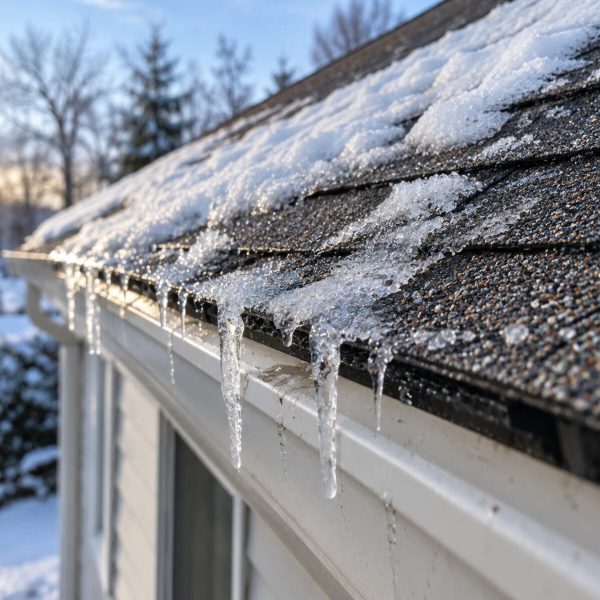
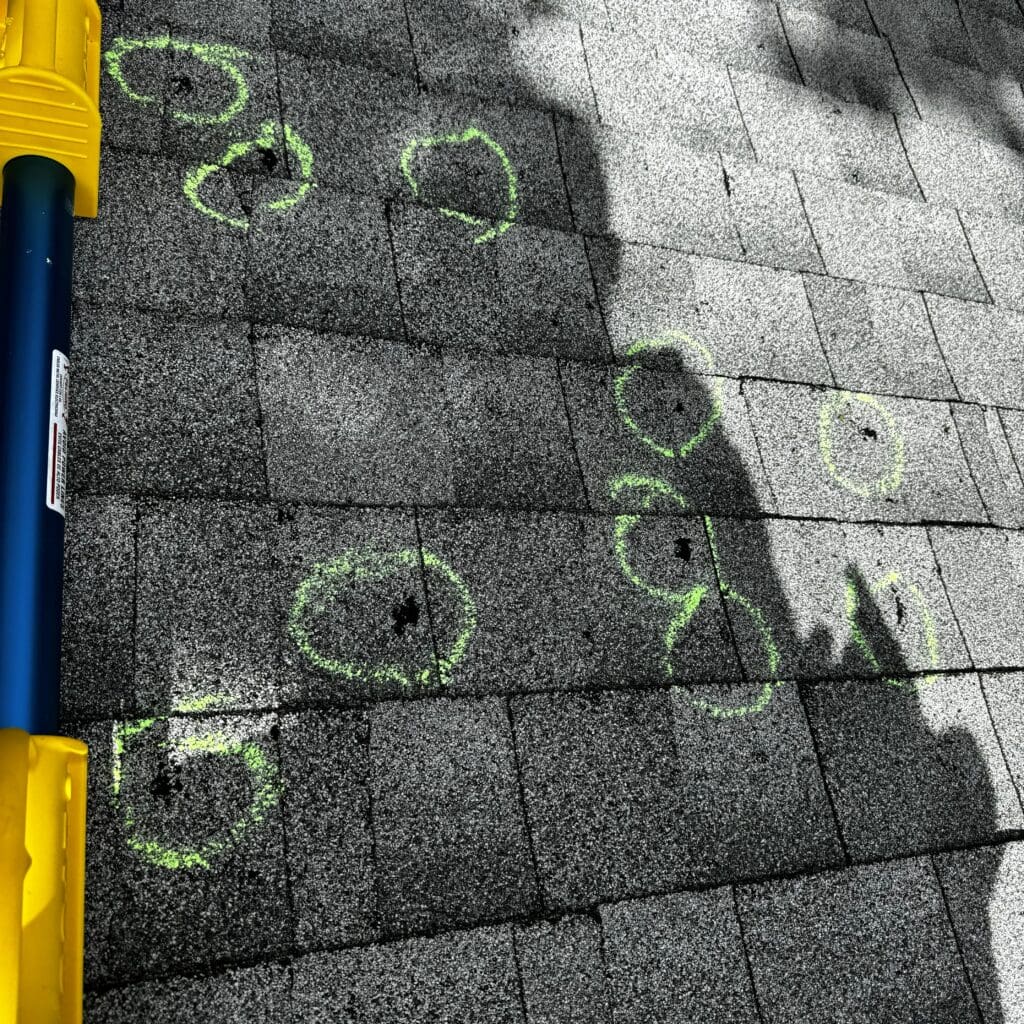
Minnesota’s climate is especially demanding on roofing systems. Hail can bruise shingles and reduce their protective granules, while strong winds may lift or loosen shingles and flashing. During winter, repeated freeze-thaw cycles allow moisture to expand and contract within small gaps, gradually wearing down roofing materials. Heavy snow and ice dams can also place added stress on a roof, while summer heat and UV exposure slowly break down asphalt over time. Even if damage isn’t immediately visible, years of weather exposure naturally contribute to the aging process.

Signs Your Roof May Be Nearing the End of Its Life

Most roofs don’t fail all at once. Instead, they gradually show signs of wear as they age. Missing or curling shingles, excessive granules collecting in gutters, damaged flashing, recurring leaks, or areas of soft decking can all indicate that a roof is nearing the end of its useful life. Some of these signs are easy to spot from the ground, while others require a closer inspection. Identifying issues early often allows homeowners to make informed decisions before a small problem becomes a larger repair.

Common Wear & Tear on Aging Asphalt Shingles

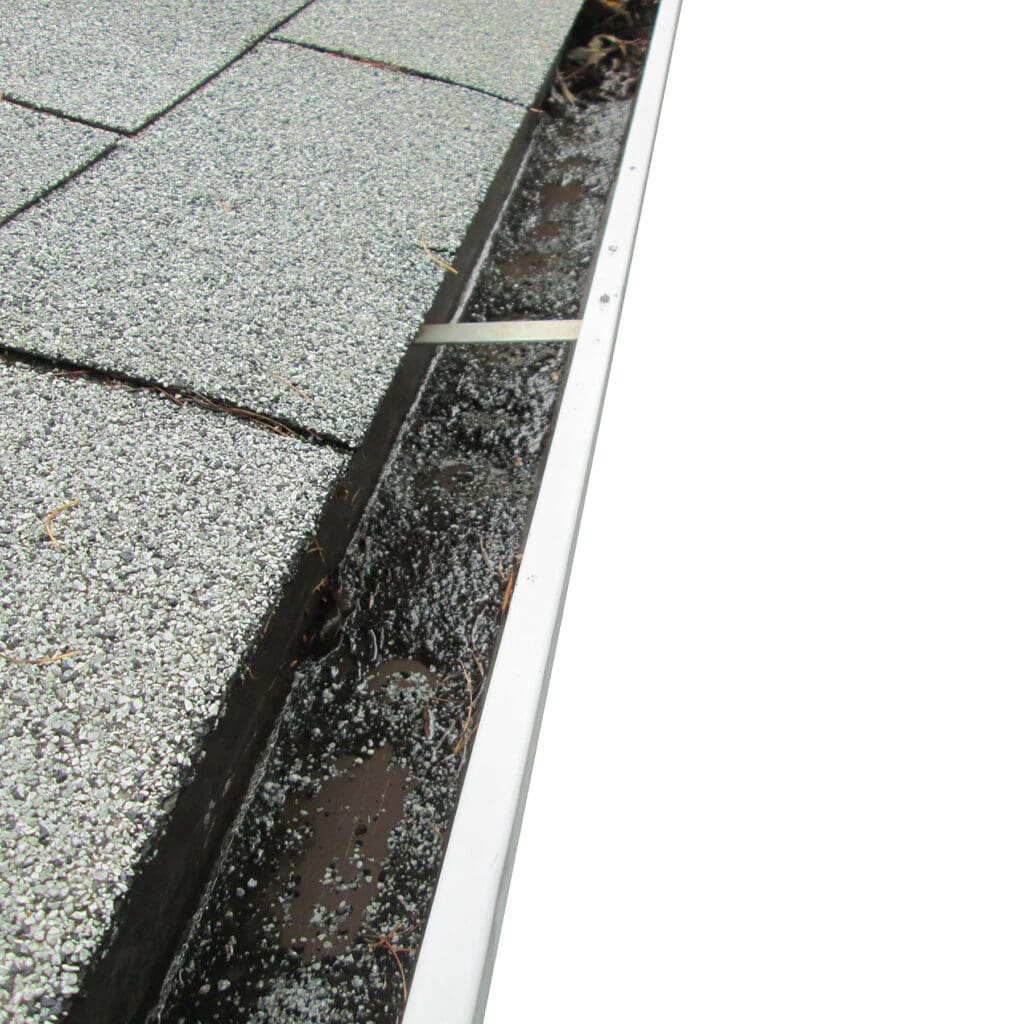
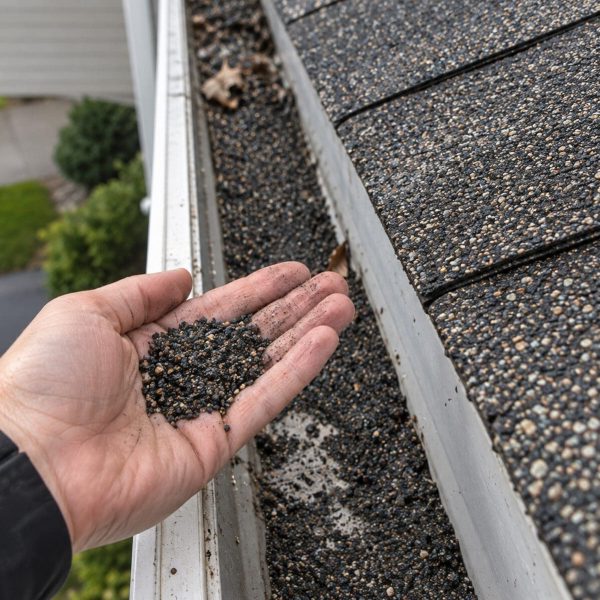
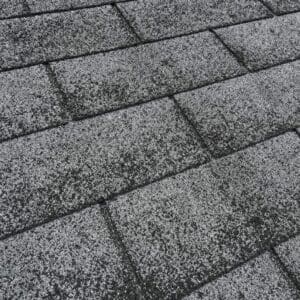
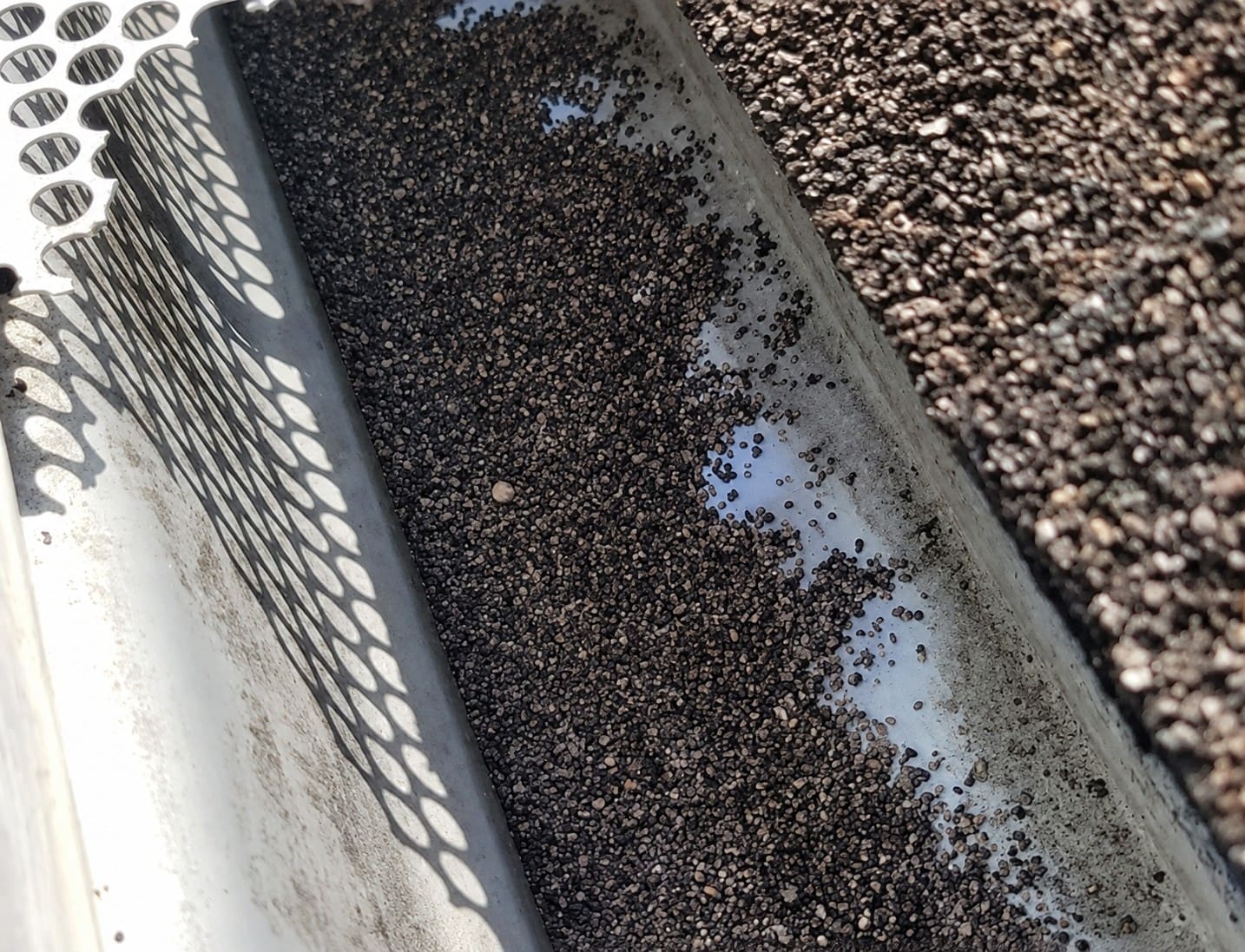
Granule Loss

Granules protect asphalt shingles from UV exposure and weather. As roofs age, it’s normal for some granules to wash off over time, but widespread or uneven granule loss can leave shingles more vulnerable to deterioration and may be a sign that the roof is nearing the end of its service life.

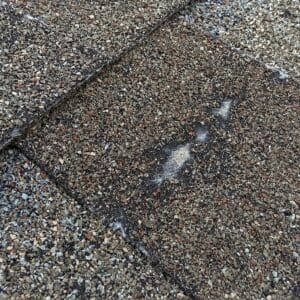
Exposed Mat

When enough granules wear away, the black asphalt coating and the fiberglass mat beneath it can become visible. Seeing the fibers of the mat indicates more advanced deterioration than granule loss alone, as the shingle has lost much of its protective layer and is more vulnerable to UV exposure, moisture, and continued weathering.

Ripped or Cracked Shingles

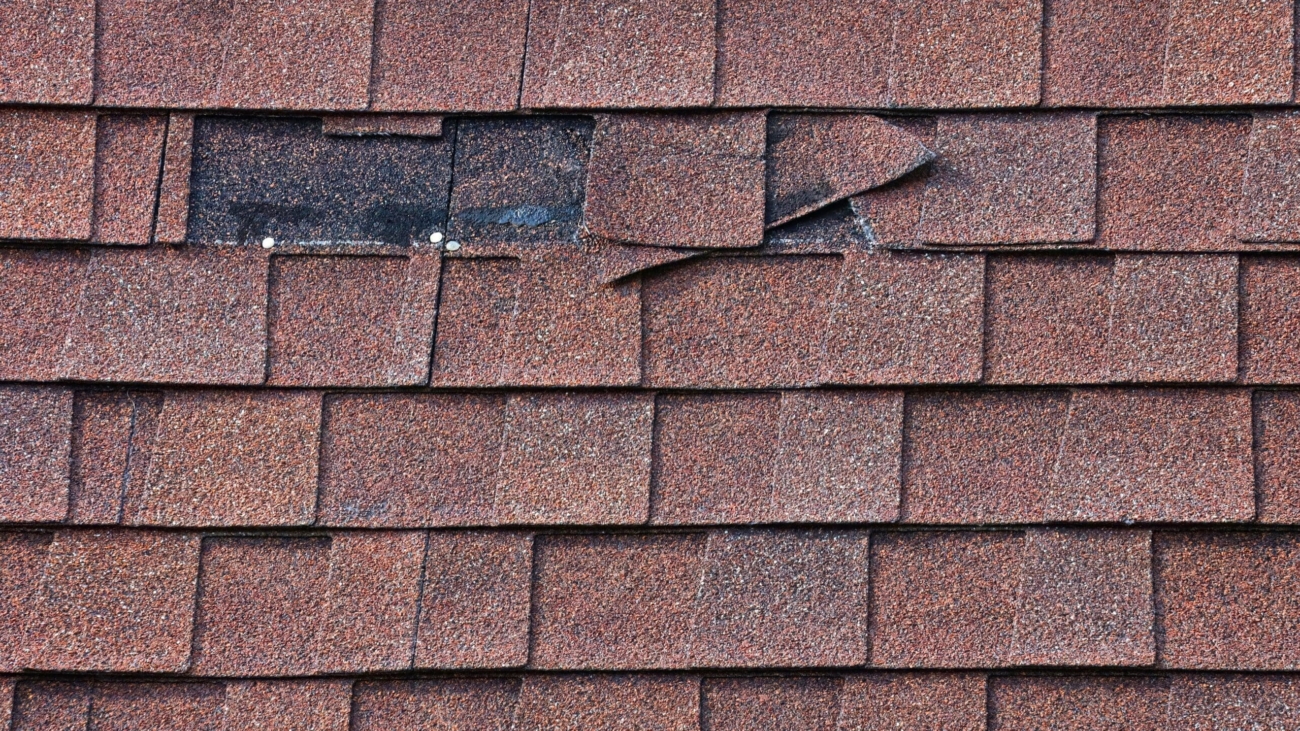
Asphalt shingles naturally become less flexible as they age. Over time, temperature changes, wind, and normal weathering can cause shingles to crack, split, or tear, reducing their ability to shed water and protect your home.

Can You Extend the Life of Your Roof?

While every roof will eventually need to be replaced, regular maintenance can help maximize its lifespan. Keeping gutters free of debris allows water to drain properly, trimming overhanging branches helps prevent abrasion and impact damage, and addressing small repairs promptly can prevent moisture from reaching the roof deck. Proper attic ventilation is also important because it helps reduce moisture buildup during winter and excessive attic heat during summer, both of which can affect the long-term performance of a roofing system.

When Should You Schedule a Roof Inspection?

If your roof is approaching 15 to 20 years of age, has experienced a significant hail or windstorm, or you’re beginning to notice signs of wear, it’s a good time to schedule a professional inspection. A thorough inspection can identify damaged shingles, flashing concerns, ventilation issues, and other conditions that may not be visible from the ground. Even if your roof doesn’t need to be replaced, routine inspections can help catch small problems before they become more costly repairs

Wondering How Much Life Your Roof Has Left?

It’s not always easy to tell whether the signs you’re seeing are part of normal aging or indicate it’s time to take action. During an inspection, we’ll evaluate the overall condition of your roof, identify any areas of concern, and give you a clear understanding of what to expect moving forward. No pressure, just the information you need to make the right decision for your home.

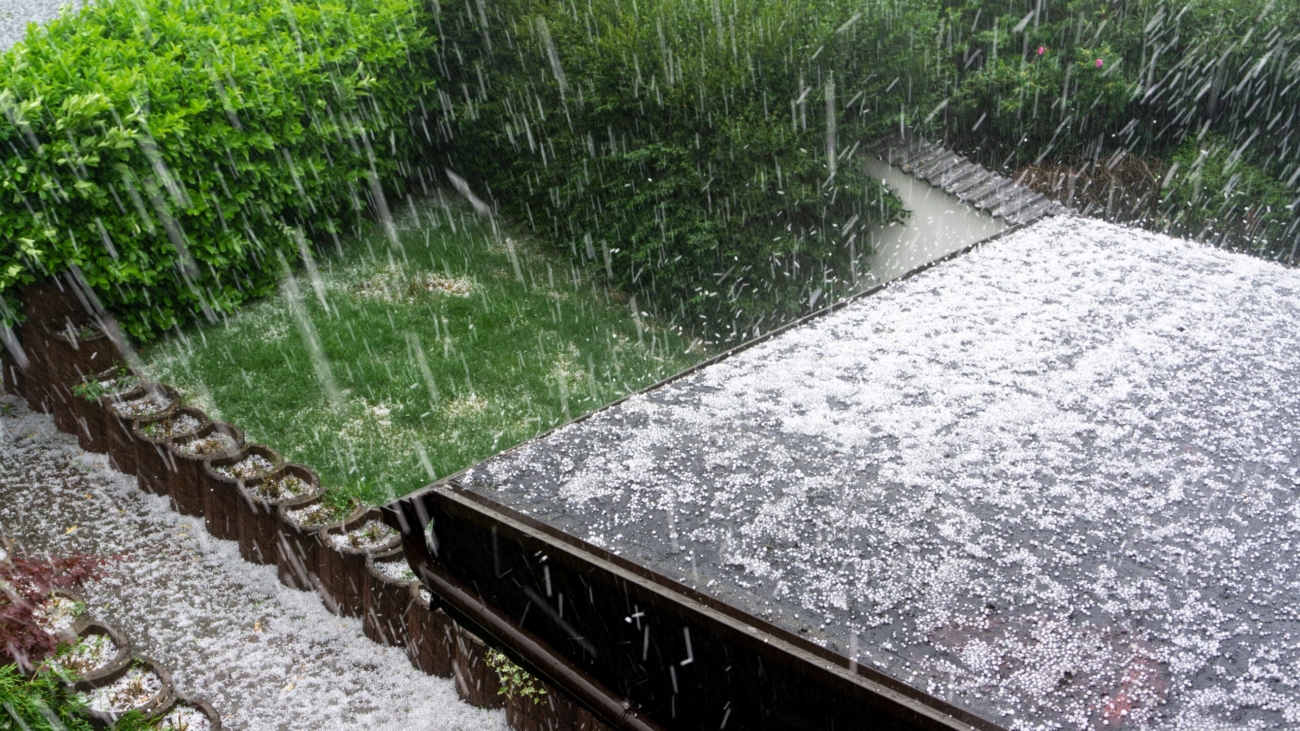
Hail falling on the roof of a residential home during a hailstorm.

Roof Insurance Claim Denied? Still Looking for Answers?

Roof Insurance Claim Denied? Still Looking for Answers?

If your neighbors are receiving new roofs and you're still looking for answers, it may be worth getting a second opinion.

Understanding Why Roof Insurance Claims Are Denied

If you’re wondering why your roof insurance claim was denied, you’re not alone. Insurance companies deny roof claims for a variety of reasons, and understanding those reasons is the first step toward determining what comes next.

In this guide, we’ll explain some of the most common reasons roof insurance claims are denied, what insurance adjusters typically look for, and how proper documentation and a professional roof inspection can help you better understand your options.

Why Are Roof Claims Denied?

Pre-existing damage or maintenance concerns are identified.
If your roof already had signs of aging, previous damage, or maintenance issues before the storm, it can be difficult to determine what damage was caused by the recent weather event.

The claim wasn’t reported promptly or didn’t include enough documentation.
Reporting storm damage quickly and providing clear photos, inspection reports, and supporting documentation can make it easier for your insurance company to evaluate your claim.

The damage isn’t covered by your policy.
Every homeowners insurance policy is different. Some policies include exclusions, limitations, or deductibles that can affect whether roof damage is covered after a storm.

When Is a Second Opinion Worth It?

Your claim was only partially approved.
Insurance companies may approve some repairs while denying others. A second opinion can help you understand whether the approved scope of work fully addresses the damage found on your home.

You’re concerned about matching or repairability.
In some situations, replacing a small section of roofing may not restore your roof to its original appearance or performance. An experienced contractor can help explain your repair options and whether matching materials are available.

Your project has stalled and you’re not sure what to do next.
If communication has slowed, your claim seems to be at a standstill, or you’re simply unsure of your next step, another professional opinion can help clarify your options and give you a path forward.

Know Your Options

Request a clear explanation of the denial. Before deciding what to do next, carefully review your denial letter and ask your insurance company to explain the specific reason for the decision, including the policy language they relied on. Understanding why the claim was denied will help you determine your next steps.

Request a reinspection if you have new information. If you believe damage was overlooked or you have additional photos, inspection reports, or documentation that wasn’t available during the initial inspection, you can often request that your insurance company reconsider the claim or perform a reinspection.

Review your policy and understand your options. Many homeowners don’t realize their policy may include options for resolving disagreements, such as an appraisal process. If you still have questions after speaking with your insurance company, your state’s insurance department can also help explain your rights and the claims process.

Commonly Overlooked Issues

ChatGPT Image Jul 6, 2026, 04_20_28 PM

Matching Concerns

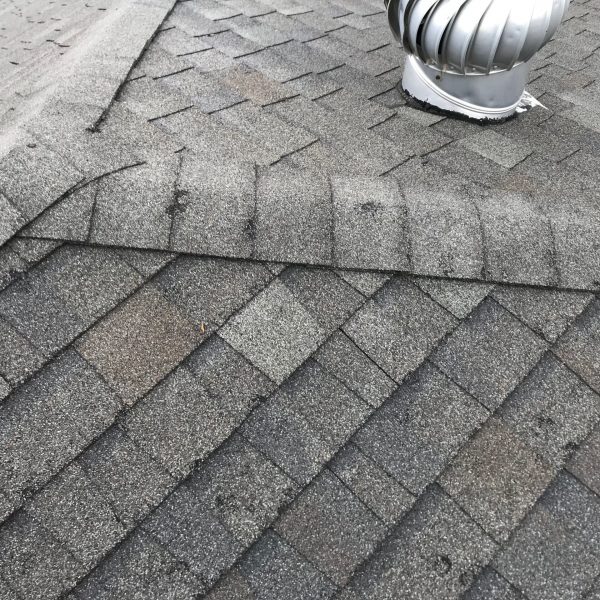
Replacing a few shingles isn’t always as simple as it sounds. Color, style, and material availability can make matching an existing roof difficult, especially on older roofs.

ChatGPT Image Jul 6, 2026, 05_04_54 PM

Damage Not Fully Documented

Not all storm damage is obvious at first glance. A thorough inspection and detailed documentation help ensure visible damage is properly identified and recorded.

ChatGPT Image Jun 10, 2026, 03_30_38 PM

Missing Scope Items

A claim may not account for every component affected by the loss. Flashing, vents, gutters, and other roofing accessories should be evaluated to help determine the full scope of work.

ChatGPT Image Jun 10, 2026, 03_37_30 PM

Manufacturer Installation Requirements

Some repairs may require additional materials or installation methods to meet manufacturer specifications. These requirements can affect how a roof can be repaired or replaced.

ChatGPT Image Jun 10, 2026, 03_23_51 PM

Repairability Concerns

Not every damaged roof can be effectively repaired. The age of the roof, material condition, and availability of matching products may all influence whether a repair is practical.

ChatGPT Image Jul 6, 2026, 04_14_28 PM

Code-Related Requirements

Local building codes may require certain upgrades when roofing work is performed. Identifying these requirements early helps prevent surprises during the project.

Feeling Stuck After a Denial or Partial Approval?

If your roof insurance claim was denied or only partially approved, our experienced team is here to help. We understand the insurance claims process and provide detailed inspections and documentation to help you better understand your roof’s condition and your next steps.

Roofing Contractor Ringing Doorbell

Should You Trust a Roofer Knocking on Your Door After a Storm?

Should You Trust a Roofer Knocking on Your Door After a Storm?

Not every door-to-door roofer is a scam, but knowing how to spot the difference can help you make a confident decision after severe weather.

Warning Signs to Watch For:

Storm Chasers

A storm chaser is a contractor who follows severe weather from community to community, often focusing on signing as many projects as possible before moving on. The concern isn’t where they’re from. It’s whether they’ll still be there if your insurance claim becomes more complicated or you need warranty service down the road.


Before choosing a contractor, ask how they support homeowners throughout the claims process and who you’ll call if you need help after your roof is complete.

Warning Signs to Watch For:

"We'll Cover Your Deductible"

If someone tells you they’ll “cover” or waive your insurance deductible, it’s worth taking a step back. In Minnesota, contractors cannot legally advertise or promise to pay, waive, or rebate a homeowner’s deductible to win the job.

Your deductible is your responsibility as the policyholder. A reputable contractor will be transparent about costs, explain the insurance process clearly, and never use an illegal offer to earn your business.

Warning Signs to Watch For:

Guaranteed Insurance Approval

It can be reassuring to hear that insurance will “take care of everything,” but no contractor can honestly make that promise. Coverage depends on your policy and your insurance company’s assessment of the damage.

A trustworthy contractor should explain what they found, answer your questions, and help you understand the process without making promises they can’t keep.

Are Door-to-Door Roofers Always Scams?

How to separate high-pressure sales tactics from professional storm restoration.

No. Many reputable roofing contractors go door-to-door after severe weather because it’s one of the quickest ways to connect with homeowners who may have storm damage. A knock at your door isn’t a reason to say yes, but it isn’t a reason to say no either. The goal is simply to make sure you’re working with a company that communicates honestly, follows through on its commitments, and is there if you need support later.

What should I do if someone knocks on my door?

Take Your Time and Ask Questions

A knock at your door after a storm doesn’t mean you have to make a decision that day. A reputable contractor will respect your timeline, answer your questions, and give you the information you need to make an informed choice.

Before signing a contract, take a few minutes to research the company. Read recent reviews, verify they’re licensed and insured, and ask how they handle insurance claims, warranty service, and communication throughout the project. If something doesn’t feel right, it’s okay to get a second opinion.

The right contractor isn’t the one with the best sales pitch. It’s the one who communicates clearly, stands behind their work, and is there to support you from the initial inspection through the final installation and beyond.

Before You Hire a Roofing Contractor

Use this quick checklist to feel confident before moving forward with any roofing contractor.

✓ Read recent reviews.

✓ Verify they’re licensed and insured.

✓ Understand what you’re signing.

✓ Ask who your point of contact will be.

✓ Make sure they’ll be available for warranty questions.

✓ Never feel pressured to decide immediately.

Need a Second Opinion?

If someone recently knocked on your door or you think your home may have storm damage, we’re happy to provide an honest inspection and answer your questions. We’ll explain what we find, help you understand your options, and never pressure you into making a decision. 

2359030427

Common Roofing Issues We Look For During Inspections

Common Roofing Issues We Look For During Inspections

A closer look at the areas roofing professionals typically check during inspections on Twin Cities homes.

Roof inspections are designed to identify signs of wear, storm damage, and potential problem areas before they lead to larger issues. While every home is different, there are a few common areas roofing professionals typically pay close attention to during inspections.

Damaged Shingles

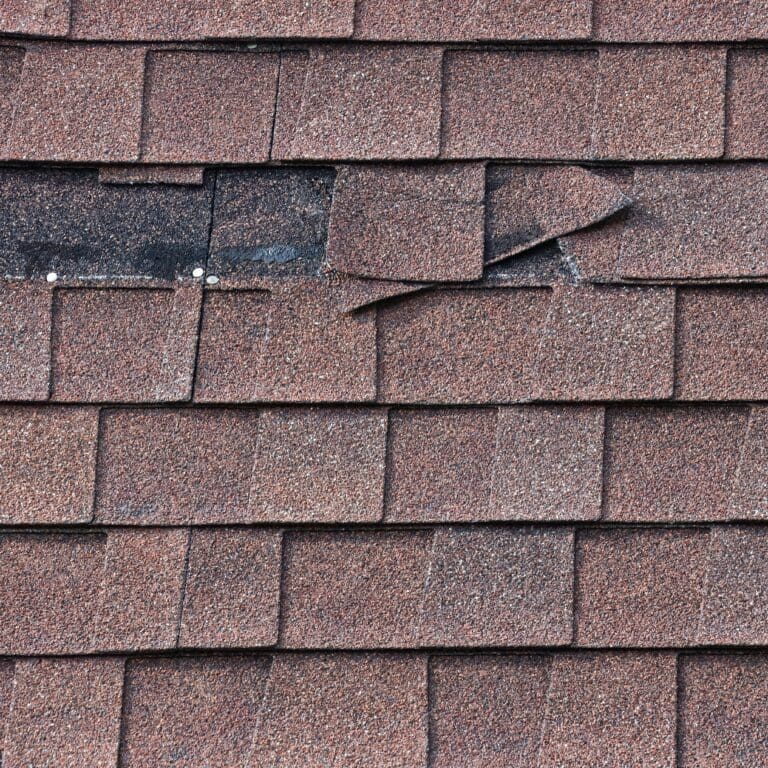
Shingles are designed to protect the roof from moisture and weather exposure, but over time they can become damaged by wind, hail, temperature changes, and general aging. During inspections, roofing professionals look for signs of lifting, cracking, missing shingles, and exposed areas that may lead to larger issues over time.

Flashing & Leak-Prone Areas

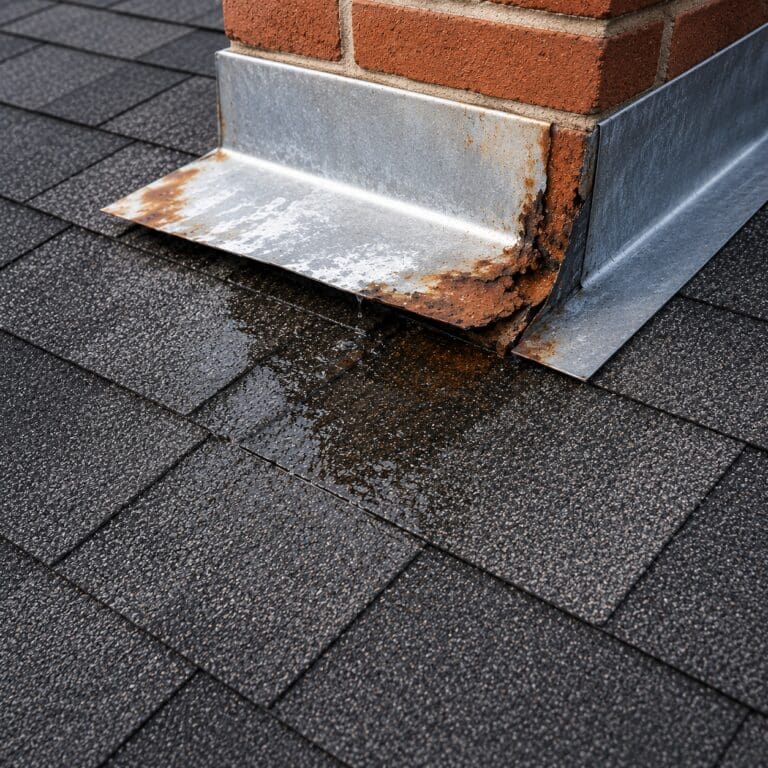
Many roof leaks begin around penetrations and transition points rather than open shingle areas. Flashing — the thin metal material installed around chimneys, vents, skylights, and roof transitions to help direct water away from vulnerable areas — plays an important role in protecting the roofing system. During inspections, we look closely at flashing and sealing details to identify signs of wear or potential water entry points.

Ventilation Problems

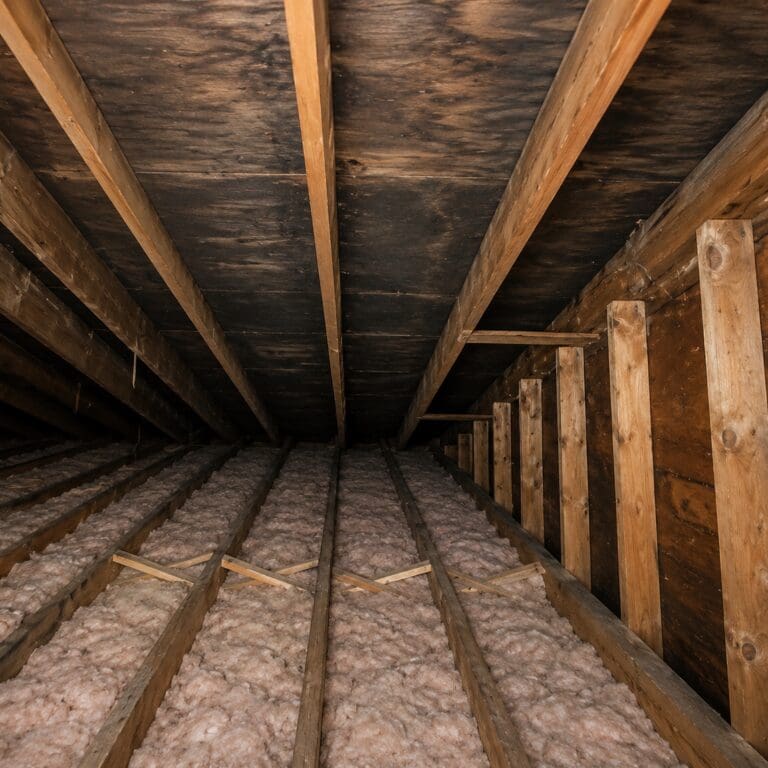
Poor ventilation can contribute to issues such as premature shingle aging, higher attic temperatures, condensation, mold or mildew growth, and even reduced energy efficiency inside the home. In Minnesota climates, especially, improper attic ventilation can also increase the likelihood of winter moisture issues and ice dam formation. During inspections, we look for signs that airflow may be restricted or unbalanced and evaluate whether the roofing system is ventilating properly overall.

Other Issues To Watch For

Granule Loss

As shingles age, they naturally begin to lose the protective granules that help shield the roof from weather and UV exposure. During inspections, we look for excessive granule loss, exposed fiberglass matting, and uneven wear patterns that may indicate the roof is aging or experiencing deterioration over time.

Black Streaking / Algae​

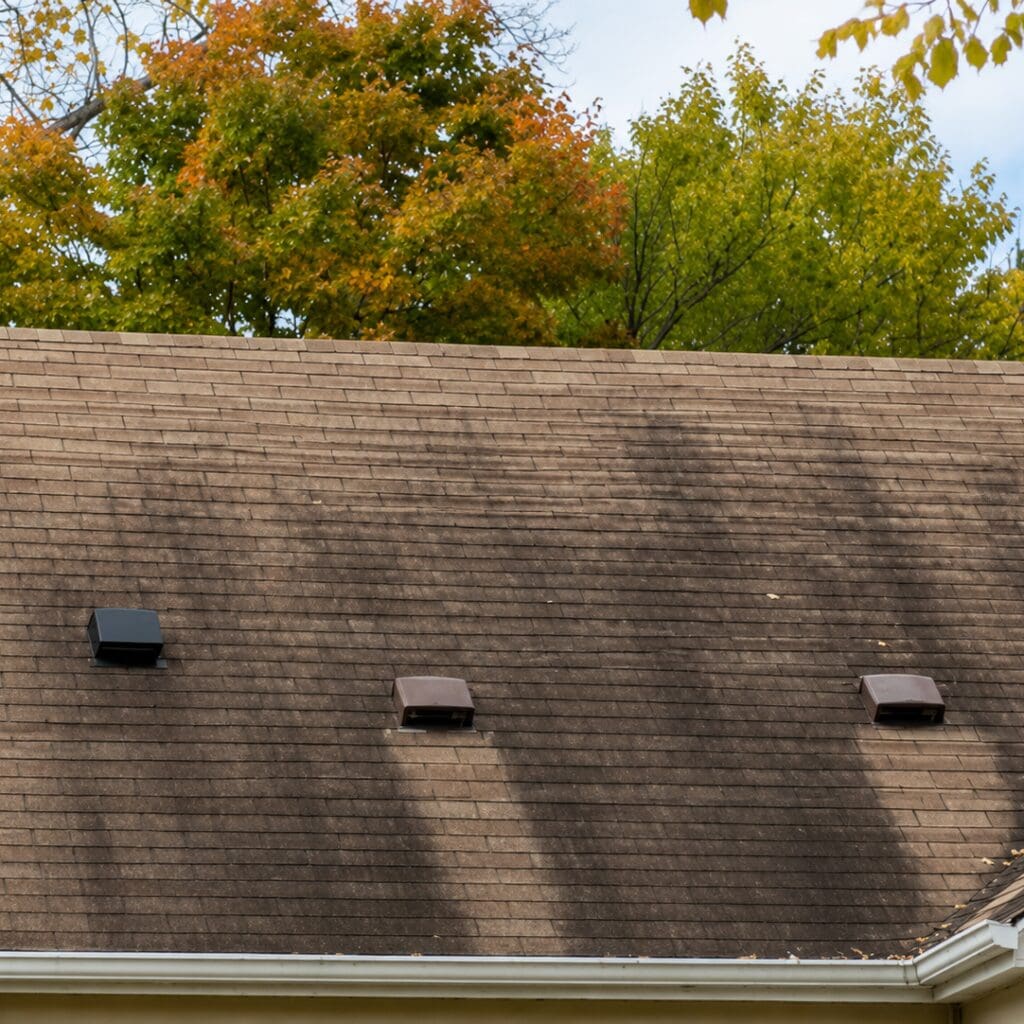
Algae staining is a common roofing issue that can create dark streaks across shingles over time. In many cases, this type of staining is primarily cosmetic, but during inspections, we still evaluate the overall condition of the roof and determine whether staining may be related to moisture retention, aging materials, or surrounding environmental conditions.

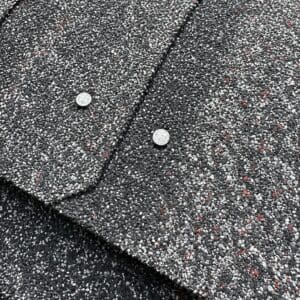
Exposed Nail Heads

Exposed nail heads are small roofing details that can become vulnerable to moisture exposure over time. During inspections, we look for exposed or improperly sealed nails that may increase the risk of water intrusion as roofing materials age and expand through seasonal temperature changes.

Understanding the Condition of Your Roof

Roof inspections help homeowners better understand the overall condition of their roofing system and identify potential concerns before they become larger issues over time. Whether following a storm or as part of routine home maintenance, regular inspections can help catch signs of wear, aging, and moisture vulnerability early. If you have questions about the condition of your roof or would like to schedule a free inspection, the team at Ardmor would be happy to help. 

Damaged,House,Roof,With,Missing,Shingles,After,Hurricane,Ian,In

5 Signs It’s Time to Replace Your Roof

5 Signs It’s Time to Replace Your Roof

Your roof is one of the most critical components of your home. It protects you from the elements, insulates your living space, and contributes to your property’s overall value. But how do you know when it’s time to replace your roof? Ignoring the signs can lead to costly damage and compromise your home’s safety. Here are five key indicators that it’s time to call in the experts.

1. Missing or Damaged Shingles
One of the most visible signs is missing or damaged shingles. Shingles can become loose, curl, or crack due to age, wind, or hail. If you notice patches of shingles missing or scattered around your yard after a storm, it’s time to inspect your roof.

2. Water Leaks and Stains
Water stains on your ceiling or walls are clear signs that your roof is leaking. Even small leaks can lead to significant structural damage, mold growth, and higher energy bills. If you spot any discoloration or damp areas, it’s essential to act quickly.

3. Sagging Rooflines
A sagging roofline is a red flag that your roof’s structural integrity is compromised. This could be due to prolonged water damage, aging materials, or poor installation. A sagging roof should be addressed immediately to prevent further damage.

4. Granules in Your Gutters
Shingles lose granules over time, especially as they age. If you find a large amount of granules in your gutters or downspouts, your roof may be nearing the end of its lifespan. Granules protect shingles from the sun, and their absence makes your roof more susceptible to damage.

5. Roof Age
Most roofs have a lifespan of 20 to 30 years, depending on the material. If your roof is approaching this age, it’s wise to schedule a professional inspection to determine if a replacement is necessary.

Conclusion:
Don’t wait for small issues to become major problems. Regular inspections and prompt repairs can extend the life of your roof, but knowing when to replace it is key to protecting your home and family. Contact Ardmor Construction today for a professional assessment and peace of mind.